A Major Scientific Achievement at the University of Anbar Using STEM
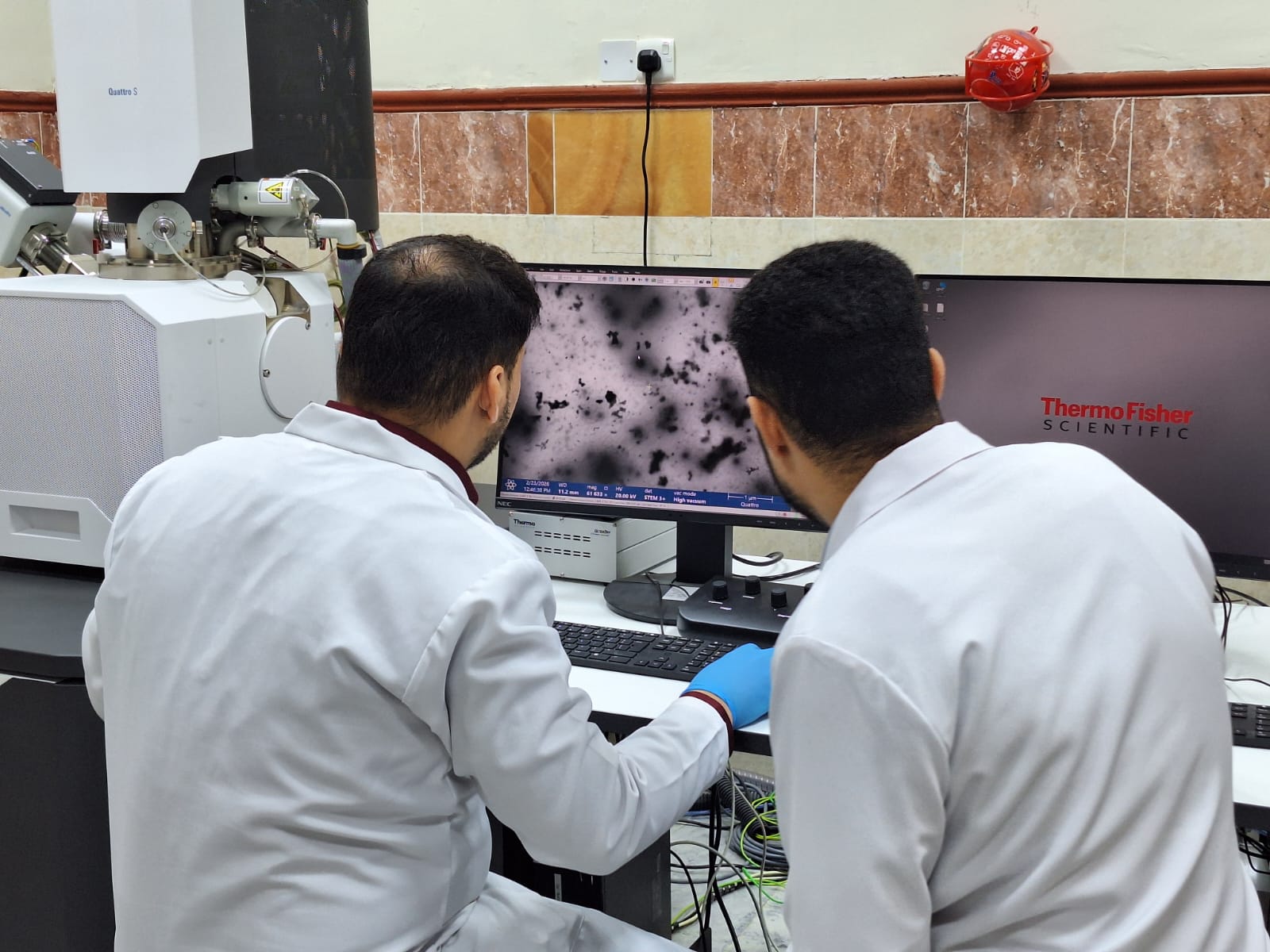
The Nanomaterials Research Center at the University of Anbar has achieved a significant scientific and technical milestone by successfully operating and utilizing the Scanning Transmission Electron Microscope (STEM), owned by the University of Anbar, to image four types of bacteriophages that infect pathogenic bacteria. This achievement resulted in highly accurate and distinguished scientific outcomes and marks the first time such viral imaging has been conducted within the university.
This accomplishment was achieved as part of the PhD research requirements of the College of Medicine student Mohammed Shehab Ahmed, under the direct scientific supervision of the President of the University of Anbar, Professor Dr. Mushtaq Talib Al-Nida, reflecting the university presidency’s direct support for advanced scientific research and the optimal utilization of the university’s research capabilities.
All laboratory examinations and sample imaging were carried out at the Nanomaterials Research Center, under the management of Assistant Professor Mazen Abdul Hamid Al-Alousi, relying entirely on the university’s own advanced electron microscopy facilities. This aligns with the university’s strategic direction toward localizing advanced scientific examinations within its colleges and research centers.
These samples represent the first viral specimens to be examined and imaged using STEM technology at the University of Anbar, marking a significant technical success that demonstrates the operational efficiency of the device and reflects the advanced level of the university’s research infrastructure and scientific staff.
This study holds substantial scientific and medical importance, as bacteriophages are considered among the most promising and effective alternative therapeutic approaches to antibiotics, particularly in light of the growing global challenge of antimicrobial resistance.
This achievement further reinforces the advanced scientific standing that the University of Anbar strives to establish and highlights its vital role in supporting applied research that serves the healthcare sector and the wider community.
Topics may interest
Director of Nanomaterials Research Center Participates in Ministerial CommitteeScientific Visit to the Nanomaterials Research Center
Agriculture Students Visit Nanomaterials Center
Postgraduate Medical Students Visit the Nanomaterials Research Center
Laboratory Safety Course Continues
Nanotechnology Breakthrough: New Research Success in Current Microbiology
Official Operation of the STEM Device at the Nanomaterials Research Center, University of Anbar
Academic Promotion of Prof. Moayed Al-Fahdawi at the University of Anbar